This week, we’re spotlighting how healthcare professionals are stepping into the creator role—and what that means for brands, audiences, and trust. We’ll also look at AI reshaping online experiences, campaigns that move hearts, and the shift in video marketing.
Let’s dive in.
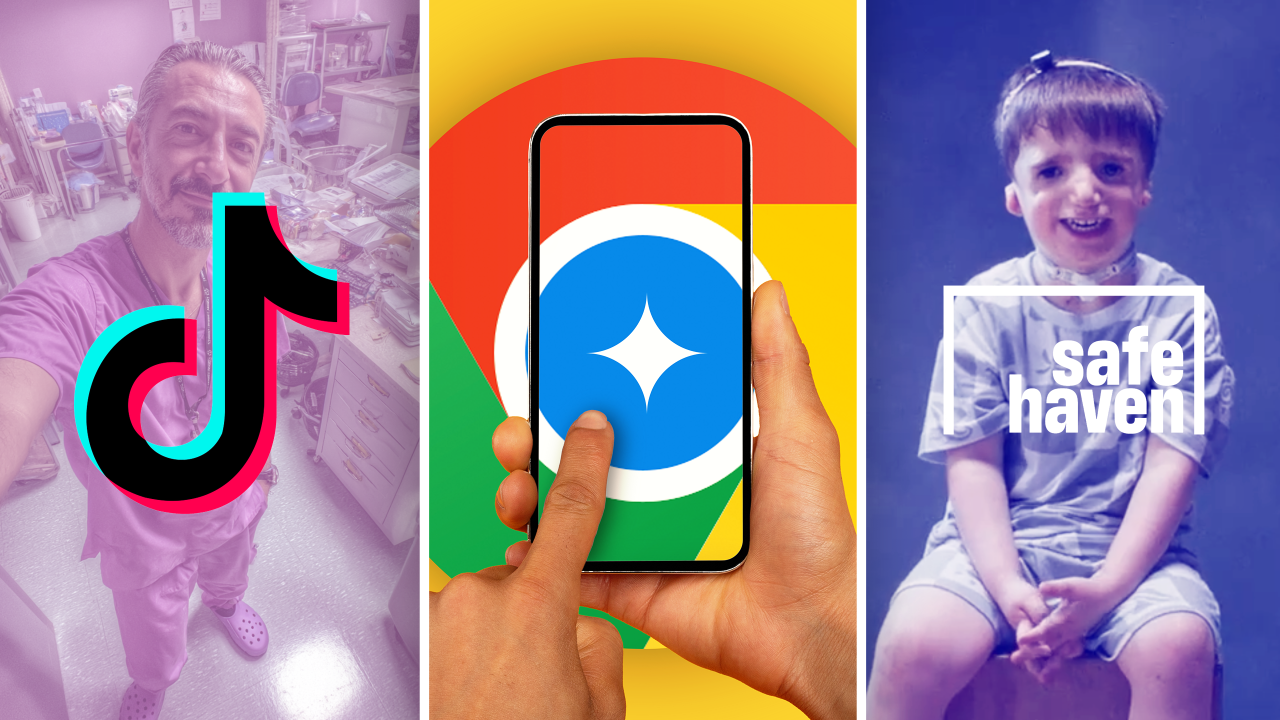
📱 Gaining social trust with HCP creators
The year 2020 set the groundwork for a social media boom that still reigns on today. With COVID and lockdowns (remember that!?), came a huge increase in TikTok adoption and an abundance of medical misinformation across social media. Due to that, healthcare practitioner (HCP)-created content entered the chat, and is now largely trusted. According to eMarketer, 66% of consumers engage with HCP-created content. Here’s few ways to utilize HCPs to build trust and transparency in the new social age:
- Strategic collaboration: Select HCP influencers whose values, voice, and audience align with the brand. Give them creative freedom, and set clear compliance guardrails.
- Humanizing healthcare: Sharing real-world perspectives and allowing HCPs to live outside their clinical role can build authenticity and stronger connections.
- Omnichannel integration: Extend HCP content beyond social into the full marketing mix to extend reach and engagement.
- Measure impact, not vanity: Focus on engagement quality and meaningful actions, not just likes. Understand who’s engaging and monitor deeper KPIs.
- Think long-term: Scalable, ongoing partnerships work better than one-off campaigns.
🤖 Preparing for agentic browsing
Google is embedding its Gemini AI into Chrome for U.S. desktop users, with mobile coming soon. The browser can now summarize content, manage tabs, and clarify complex pages. And “agentic” features let Gemini handle multi-step tasks like booking appointments or making purchases with user approval.
Why it matters:
- This shift marks a major acceleration: browsers may soon act autonomously rather than just facilitating user actions
- It strengthens Google’s AI ecosystem and cements Chrome’s role not just as a tool but as an interface to the AI “agentic era”
- This raises questions around user control, transparency, privacy, and consent—especially since AI agents will act on users’ behalf
- Users may resist having generative AI so deeply embedded in a tool they use daily
How Brands Can Respond:
- Optimize for AI intermediaries:ensure content is clear, structured, and scannable, since AI agents may summarize, filter, or present it differently than a user would see it
- Experiment with AI-powered touchpoints:test how AI can help users, while maintaining compliance and user trust
- Adapt commerce and conversion strategies:brands should ensure e-commerce flows, approvals, and security checks are compatible with agent payments protocol (AP2)
- Focus on trust, clarity, and compliance:transparent messaging and verifiable claims are critical, especially if AI is relaying information autonomously
- Rethink measurement and KPIs:focus on AI-driven interactions, conversions, and engagement quality as the key indicators of success
- Plan for long-term agility:brands should iterate quickly, monitor user behavior, and be ready to adjust strategies as agentic AI capabilities expand
5️⃣ Five things for pharma marketers to know this week
- 100% pharma tariff threat:The U.S. is considering imposing a 100% tariff on certain pharmaceutical imports, which could significantly impact drug pricing and availability.
- Drugmakers prepare for MFN deadline:Pharmaceutical companies are taking strategic actions ahead of the Most Favored Nation (MFN) pricing rule deadline, aiming to mitigate potential financial impacts and implement DTC models.
- Vaccine Injury Program Expansion: HHS Secretary Robert F. Kennedy Jr. is considering adding autism symptoms to the Vaccine Injury Compensation Program (VICP), which provides payouts to affected families.
- Tylenol makes headlines: Trump again urged pregnant women to avoid Tylenol, citing a link to autism, drawing strong criticism from the medical community.
- FDA approves new cancer treatment:The FDA has approved Eli Lilly’s therapy for advanced breast cancer, marking the second oral treatment to be approved for Lilly in the breast cancer space.
That’s Cool!
Safehaven, in collaboration with The Local Collective, has launched a campaign built on a simple but profound idea: a child’s greatest superpower is being seen. The work calls on Canadians to unlearn the instinct to look away from children with medical complexities and instead recognize their joy, imagination, and dreams like any other child. Anchored by a powerful film and amplified across cinema, TV, social, and a large OOH takeover at The Well in Toronto, the campaign shifts the narrative from invisibility to belonging and connection.
Take a look here.
🚨 New Podcast Alert!
In this episode, Katie Flynn talks with Craig Henderberg, Flynn’s Supervising Producer, about how video production has evolved from traditional broadcast commercials to omnichannel brand storytelling. They discuss the shift from high-polish perfection to authentic, multi-format content that connects across paid, earned, and owned channels.
Podcast episode: Flynn


