This week, we’re questioning some things marketers have long held sacred: more content is better, attention should be captured at all costs, and influencers equal influence. Plus, because we tackle the truly pressing issues, whether anyone can actually tell their Diet Cokes apart.
Let’s dive in.
🤖 A CMO and 3,000 Agents Walk Into a Marketing Department…
Much of the promise of AI in marketing has been “more”: more content, more campaigns, more variations, more everything. But what happens when “more” stops being the problem? Domo’s Mark Boothe argues that a CMO managing 3,000 AI agents and zero humans isn’t the future of marketing—it’s a recipe for a very sophisticated mess. AI can dramatically accelerate production, but judgment, context, and accountability still need a pulse. Why’s that the case?
- Output isn’t the bottleneck anymore. AI can crank out work at remarkable speed. The bigger question is whether we’re making the right things in the first place.
- Human judgment becomes more valuable, not less. Knowing when 85% is enough and when something deserves another day requires an understanding of the brand, audience, and moment.
- AI at scale needs serious infrastructure. Thousands of agents can quickly create problems around visibility, governance, brand consistency, and accountability—and they’re far from free.
- Institutional knowledge is difficult to automate. The small but important nuances experienced marketers carry around in their heads often aren’t sitting neatly in a dataset.
- AI enablement matters as much as AI adoption. Specialists don’t need to become engineers. They need the skills and support to apply AI effectively to whatever they already do best.
- Clear AI ownership keeps experimentation from becoming chaos. Dedicated leadership can help teams build valuable, scalable workflows instead of accumulating a pile of shiny AI experiments.
Bottom line: a truly winning marketing department isn’t just one CMO and an army of bots. It’s talented marketers whose judgment, creativity and expertise get supercharged by AI. Human + machine > machine running wild.
↗️ Why Your Digital Marketing Needs an Exit Strategy
Digital marketing has spent years perfecting the art of keeping people glued to screens. But maybe the next great creative strategy is…getting them to leave. Pinterest’s Xanthe Wells says that as consumers push back against endless scrolling while simultaneously embracing AI, a new opportunity is emerging: designing the exit. In other words, helping people actually accomplish something instead of trapping them in a content loop. After all, we should remember:
- Attention isn’t the end goal. People increasingly want digital experiences that help them move from inspiration to real-world action, whether that’s cooking dinner, booking a trip, or finally starting that project.
- AI is teaching us something about consumer intent. The best AI experiences don’t encourage lingering. They remove friction, deliver an answer, and help users get on with their lives.
- “Time spent” may be the wrong success metric. Creative teams should look beyond impressions and engagement toward what audiences actually do afterward.
- Designing the exit can drive business results. Helping people accomplish their goals can strengthen trust, purchase intent, and repeat behavior.
- Three verbs can reshape the brief: Open the door to possibility, ignite intention by removing friction, and set people free to actually do something.
For marketers, the challenge is shifting from How long can we hold their attention? to Where can we help them go next?
🔗See more at Little Black Book
🤳 Has Influencer Sponcon Jumped the Shark?
Influencer marketing may be booming, but not everyone is thrilled about seeing creators everywhere they scroll. Many consumers may roll their eyes at ring lights and feeds packed with #sponcon, but they’re still following creators, taking recommendations, and buying products. Sara Karlovitch, M.P.P. says that influencer fatigue isn’t necessarily a sign that creator marketing is dying. It’s a warning that bad creator marketing is getting harder to tolerate. Other things to keep in mind:
- Relevance is beating reach. Brands are increasingly looking beyond follower counts toward niche expertise, audience fit and creator suitability.
- More sponsored content can mean diminishing returns. Smaller creators may need to churn out more partnerships to make the economics work, potentially creating the very fatigue brands want to avoid.
- Influencer marketing is getting pricier and more complex. Rising creator fees, elaborate PR packages, brand trips, agencies, and platform tools are changing the cost-benefit equation.
- Authenticity remains the whole ballgame. The strongest partnerships give creators room to make content their audiences actually want, rather than turning every collaboration into an infomercial with better lighting.
- AI could complicate things further. Synthetic influencers and AI-generated content risk adding another layer of mistrust to already-cluttered feeds.
For marketers, influencer fatigue isn’t a flashing EXIT sign. But it is a reminder to choose creators thoughtfully, resist oversaturation, and prioritize audience value over sheer volume.
🔗Get the full story at Marketing Dive
🚨 New Podcast Alert!
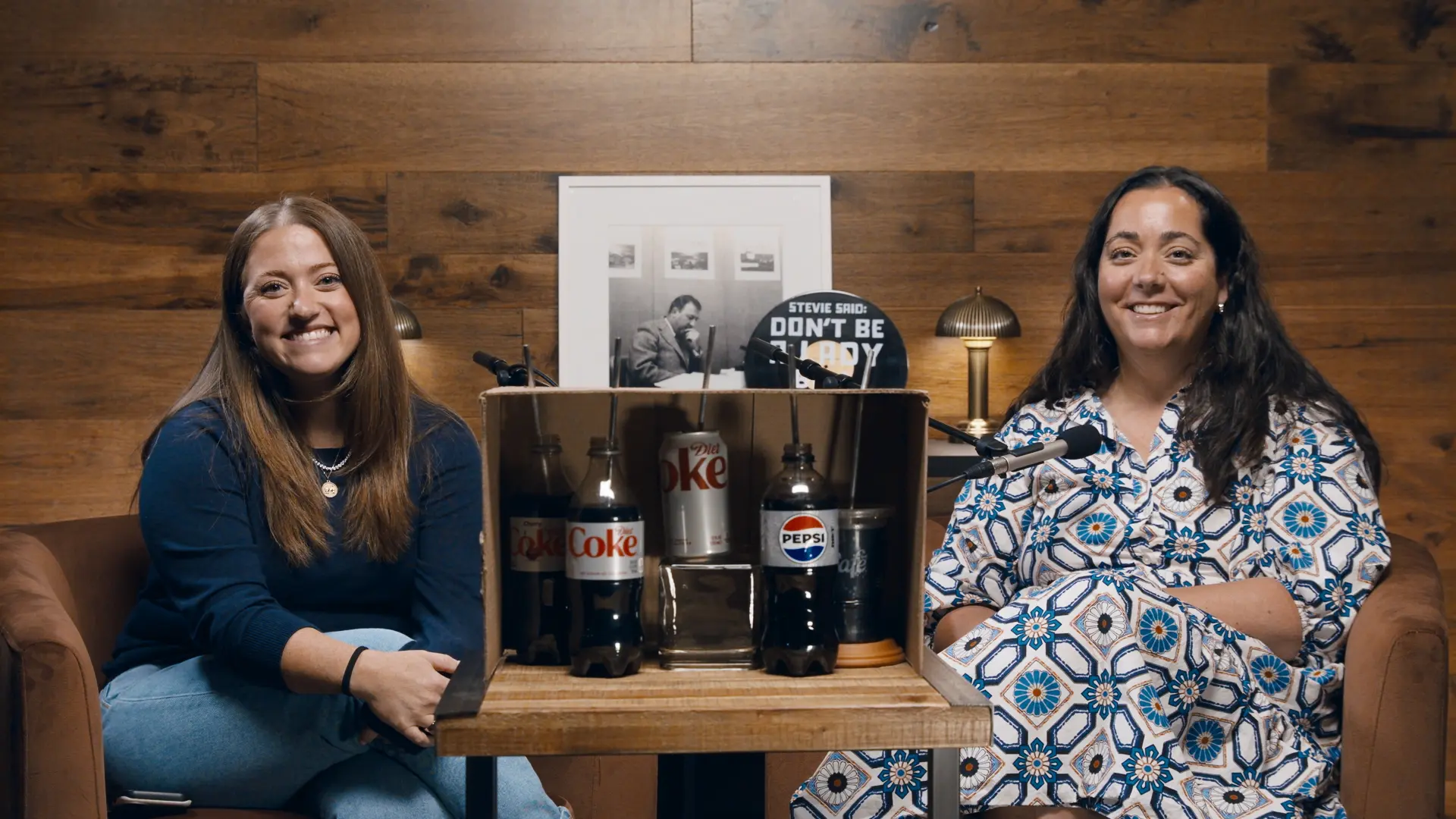
How much of what we taste is actually taste, and how much is marketing? In this episode of The Flynn Effect, Katie Flynn and Heather Riexinger take on the ultimate blind taste test, comparing Diet Coke in fountain, can, and bottle form—with a few curveballs along the way. The results? Surprisingly fizzy. Tune in for questionable guesses, strong soda opinions, and a fun experiment in just how powerful branding can be.