What do ghost brands, creator culture, and iced coffee fandom have in common? They’re all reshaping how people discover, trust, and connect with brands. This week, we’re digging into the changing rules of visibility, authenticity, and audience engagement—plus sharing a fresh podcast episode packed with marketing hot takes, smart observations, and a healthy appreciation for Dunkin’, Bravo, and nostalgia-fueled brand collaborations. 🚀☕🎧
Let’s dive in.
👻 How AI Is Turning Brands Into Ghosts
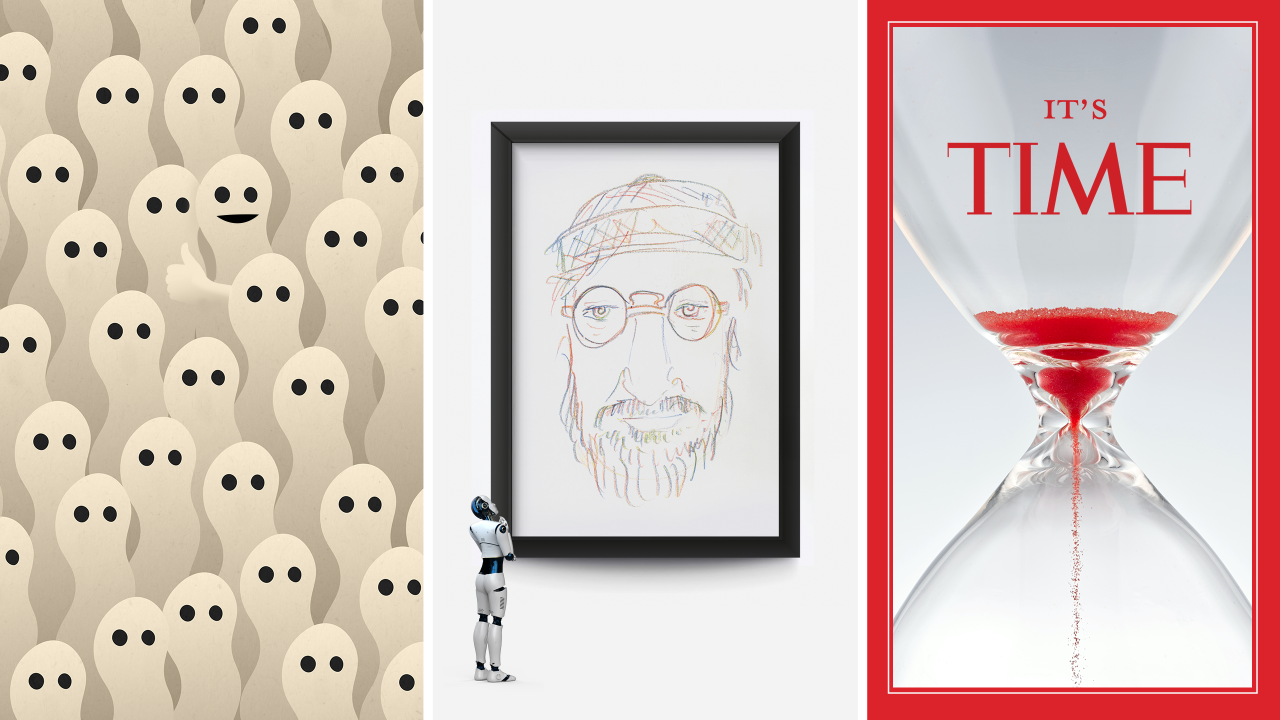
AI search may love your content, but there’s a catch: your brand might not be getting any of the credit. New research finds that roughly 40% of AI citations are what researchers call “ghost citations”—instances where an AI search uses your content but never actually mentions your brand. Far from ideal.
What marketers should take away:
- Track citations and mentions separately. Being cited by ChatGPT, Perplexity, or Google isn’t the same as being recognized. Measure both.
- Stop obsessing over citation counts alone. A source link is nice. Brand visibility is nicer.
- Invest in proprietary research. Original studies, named frameworks, and unique datasets are harder for AI systems to separate from your brand.
- Make attribution impossible to miss. Put your brand name directly next to key findings, statistics, and insights.
- Build authority beyond your own website. Third-party articles, media coverage, and industry discussions reinforce the connection between your brand and your ideas.
- Optimize by platform. Some AI engines are “citers” that link frequently, while others are “namers” that mention brands more consistently. One strategy won’t fit all.
- Audit ghost citations. Review instances where your content is cited but your brand is absent, then test ways to strengthen attribution.
Winning the AI search game isn’t just about getting quoted, it’s about also making sure your brand name travels with that mention. Otherwise, you’re doing all the work while the algorithm gets the applause.
🔗Get the full story at Search Engine Land
👨🎨 Why Does the Fight for Human Creativity Matter to Marketers?
AI may be moving fast, but not all creators are standing by and politely applauding. A growing wave of authors, illustrators, musicians, and other artists are taking AI companies to court, arguing that their creative output was used to train models without permission. And while the legal outcomes remain unsettled, many creators are optimistic that courts will establish meaningful guardrails around how AI companies can acquire and use content. Your AI usage may vary, but there are broader lessons for marketers—and a to-do list:
- Audit your AI stack. Understand where your AI tools source their training data and whether those practices could create legal or reputational risk.
- Build clear AI governance. Establish internal guidelines around content ownership, attribution, disclosure, and acceptable uses of generative AI.
- Don’t ignore licensing. As regulations and court decisions evolve, properly licensed content may become a significant competitive advantage.
- Protect your own IP. Review platform terms of service and determine how your brand’s content may be used by third parties and AI providers.
- Lead with authenticity. AI can boost efficiency, but audiences still respond to original ideas, unique perspectives, and genuinely human storytelling.
- Prepare for a shifting landscape. The legal standards around AI training data are still being written, meaning you’ll need to stay flexible and informed.
The AI gold rush isn’t slowing down anytime soon. But as the courts weigh in, marketers may discover that the most future-proof strategy isn’t replacing human creativity. It’s using AI in ways that respect, amplify, and protect it.
🎥 The Creator Strategy Fueling Time Magazine’s Growth
A 103-year-old media giant has pulled off some very modern marketing. Time magazine is embracing creator-style content, social-first storytelling, and personality-driven journalism, and the results are hard to ignore: YouTube views jumped 773%, LinkedIn video views climbed 756%, and social revenue is booming. Instead of treating creators just as promotional partners, Time is blending the credibility of traditional journalism with the audience-building power of influencer culture. What can Time teach marketers of all stripes?
- Think beyond sponsorships. The strongest creator partnerships look less like ads and more like collaborations.
- Meet audiences where they are. Time isn’t waiting for people to visit their site. It’s bringing stories directly to YouTube, Instagram, LinkedIn, and livestreams.
- Put people in front of the logo. Audiences trust humans more than institutions. Reporters, creators, and subject-matter experts can make brands feel more authentic.
- Steal from creator playbooks. Personality, storytelling, behind-the-scenes access, and strong points of view often outperform polished corporate content.
- Make it a two-way street. Time isn’t just teaching creators about journalism. It’s learning from creators about audience engagement.
- Turn content into a revenue engine. Video, livestreams, creator partnerships, and social-first formats aren’t just awareness plays. They can drive sponsorships, advertising, and entirely new business models.
- Modernize without abandoning your roots. Time is proving you can embrace new formats without sacrificing the credibility that made your brand valuable in the first place.
In a world overflowing with content, it’s important to remember that while authority still matters, personality increasingly determines who gets watched, shared, and remembered.
🚨 New Podcast Alert!
Maternity leave is over, the Bravo binge-watching is complete, and the mic is officially back on. In this lively episode, President Katie Flynn is back and catching up with Heather Riexinger on newborn life, unapologetically embraces “basic” joys like iced coffee and mahjong, and dives into the marketing behind some of the summer’s buzziest brand collaborations. From Gap x Hailey Bieber to Dunkin’s cult-favorite PARKE partnership, plus Coca-Cola’s bold visual refresh, it’s a fun, candid conversation about nostalgia, authenticity, fandom, and why the little things people love can be marketing gold.


