We’ve all heard it before: the only constant is change. Some embrace it, others resist—but in marketing, avoiding it isn’t an option.
Just look at digital media. In the late 90s, the internet was a destination—something you went to on a bulky desktop, dial-up tone and all. You logged on with purpose, then logged off and returned to real life.
For marketers, it was simpler. But then came Wi-Fi, smartphones, social platforms. By the 2020s, the internet wasn’t a place—it became everyplace. And today in 2025, people don’t go online; they are online. Constantly. Seamlessly. Invisibly.
This shift hasn’t just changed tech—it’s reshaped behavior, expectations, and attention. We now assume everything is on-demand, algorithmically served, and instantly shoppable.
So what does that mean for marketers? It means evolving from catching attention to earning presence. From interrupting behaviors to integrating into them. From short-term clicks to long-term trust.
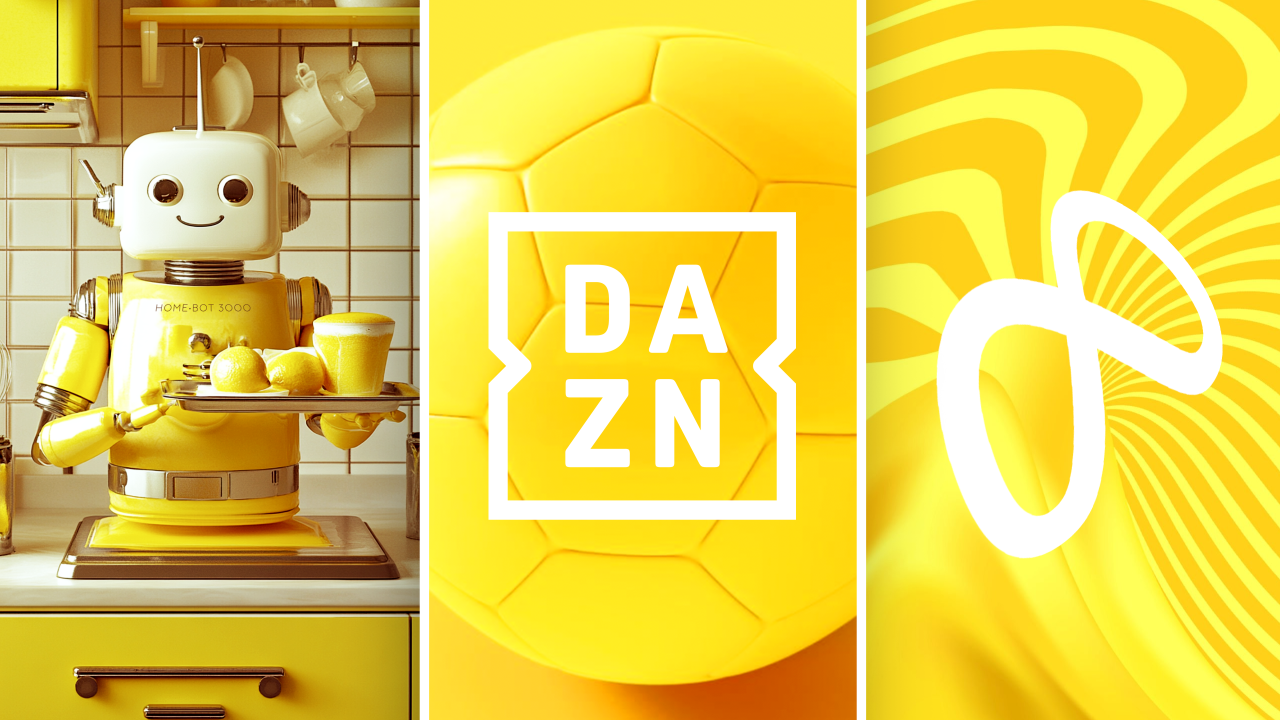
And while new tech—AI glasses, home robots—may feel far off, history tells us the same story: once it becomes convenient, it becomes mainstream. The key is translating value, which is what marketers have always done best.
So yes, change is inevitable. But how—and when—we embrace it? That’s up to us. Let’s dive in.
🎯 AI Agents: The next frontier in ad targeting
AI agents, a.k.a. “agentic AI,” are reframing how brands align with news content. Brands have long had a hesitant relationship due to coverage about war, violence, politics, and other polarizing content, but now AI may be shifting that stance.
Major tech players like Apple, Amazon, Google, Meta, and Microsoft are building AI agents that proactively discover, compare, and even purchase products and services on behalf of consumers. This is leading to better digital targeting signals that allow marketers to see the emotion or sentiment of the content, giving them more comfort.
As AI continues to force its presence across the industry, there’s belief that digital targeting strategies will shift from targeting people to influencing AI agents that shop on their behalf.
📺 Streaming TV is booming, and marketers need to keep up
The shift from linear to streaming is nothing new, and we’d all be rich if we had a penny every time someone mentioned the phrase “TV fragmentation.” However, the interesting thing is it doesn’t seem to be slowing down. A few things we have our eye on as we close out Q2:
- YouTube dominates CTV, again: According to Nielsen, YouTube just hit another all-time high for CTV viewership—12.4% of total TV usage in the U.S. for the month of April.
- Welcome DAZN to the party: The FIFA Club World Cup, set to kick-off this weekend, will primarily be broadcast and streamed on DAZN. The company, which has been known as “the Netflix of sports,” is pushing deeper into the U.S. with a rights-first strategy, locking in deals like the FIFA Club World Cup to build its CTV footprint.
- Ad-supported plans are surging: Data from Antenna shows that nearly half of all paid streaming subscriptions now include ads, and ad-tier users are mostly net-new customers, not downgrades.
- Who needs dayparts: Streaming doesn’t follow the old rules of TV. A new study from MAGNA Media Trials shows that primetime looks different, with binge behaviors and cross-device viewing disrupting traditional scheduling.
People are accessing content in non-traditional ways now more than ever. YouTube videos on TV screens, watching “primetime” programming at 11pm, etc. Marketers must adapt to connect with audiences and meet them on their terms.
Meta is expanding its brick-and-mortar presence
Meta is planning to expand its physical retail stores in 2025 as part of a broader strategy to promote and sell its virtual and augmented reality products, such as smart glasses, headsets, and other hardware.
The project, internally code-named “Project Genesis,” aims to create a network of permanent Meta Stores that would showcase and demonstrate its immersive tech offerings, similar to Apple Stores. The move reflects Meta’s ongoing commitment to building the metaverse and integrating more users into its ecosystem through hands-on experiences with its products.
It may seem like an odd decision, but according to eMarketer, more than 50% of consumers still prefer to shop in-store vs. online when it comes to general retail purchases.
That’s Cool!
With Father’s Day approaching this weekend, this one got us. Synchrony Bank’s new short film, “The Lemonade Stand,” tells the story of a father and daughter growing their lemonade stand over a decade—using emotion, not interest rates, to sell the value of saving. The campaign blends cinematic storytelling with smart, multi-channel distribution across YouTube, Meta, and CTV.


